Planning a Uganda Rwanda gorilla itinerary starts with one practical question: how many days can you spend away? A 7-day route covers one strong gorilla trek. A 10-day version adds chimpanzees and a classic safari block. A 14-day route gives room for two gorilla treks, more parks and a slower pace. The right choice depends on your budget, fitness and travel style.
How Many Days Do You Need for a Uganda Rwanda Gorilla Itinerary?
Allow 7 days for one gorilla trek and a short cross-border journey, 10 days for gorillas plus chimpanzees and a classic Uganda safari, or 14 days for two gorilla treks and wider wildlife coverage. The 10-day format usually offers the best balance between travel time, forest experiences, safari drives and recovery days.
The main reason to choose 7 days is a tight schedule. The main reason to choose 14 days is a wish to visit more than one forest without rushing. Most travelers settle on 10 days because it gives enough transfer time to cross into Rwanda while still leaving days for Kibale or Queen Elizabeth.
What changes between the options is not the gorilla encounter itself. Every mountain gorilla trek, whether in Bwindi Impenetrable National Park, Mgahinga Gorilla National Park or Volcanoes National Park, follows the same core pattern. A small group hikes to a habituated family, spends one hour observing, then returns. What changes is the journey around that hour.
Which Border Crossing Works Best Between Uganda and Rwanda?
The most practical overland route links Bwindi or Mgahinga in southwestern Uganda with Volcanoes National Park in Rwanda through the Cyanika or Katuna border. Cyanika is generally convenient for Mgahinga and the Kisoro area, while Katuna suits routes through Kabale and Lake Bunyonyi. Confirm visa, vehicle and permit requirements before departure.
Pick your crossing based on your accommodation, not on which route sounds more famous. If you sleep near Buhoma or Ruhija in Bwindi, a Katuna crossing after a Kabale stop can work. If you are near Rushaga, Nkuringo or Mgahinga, Cyanika is often simpler. Driving times on a map can look short, so add margins for immigration, vehicle checks and lodge transfer segments.
Trekkers worried about steep trails should read Bwindi gorilla trek difficulty before selecting a sector. The challenge varies by forest and trailhead. Bwindi gorilla trekking is a real hike, not a casual nature walk.
Should you trek in Uganda or Rwanda first? Start in Rwanda when Kigali is your arrival point and you want a short transfer to Volcanoes. Start in Uganda when your itinerary includes Uganda’s safari parks or when the lower permit price matters. For more on that trade-off, see combining a gorilla trek with safari.
Three Itineraries to Compare
Use these as starting points, not rigid plans. Lodges, road conditions and permit allocations all affect the exact day order.
1. Seven Days: One Trek and a Cross-Border Loop
A workable 7-day plan begins in Entebbe, travels to Bwindi or Mgahinga, treks once, pauses at Lake Bunyonyi, crosses into Rwanda and ends in Kigali. Keep the Rwanda side simple in a 7-day version: one Volcanoes National Park gorilla trek, golden monkeys or a cultural visit, then a final day in Kigali. Do not add Queen Elizabeth or Kibale. Road time will overwhelm the trip.
If you fly into Kigali instead of Entebbe, you can flip the loop and still see one forest in each country. Permit and visa logistics need more care, but the driving distances can feel shorter.
2. Ten Days: Gorillas, Chimps and a Safari Block
A strong 10-day route runs Entebbe, Kibale for chimpanzees, Queen Elizabeth for game drives and the Kazinga Channel, Bwindi for gorillas, Lake Bunyonyi, Volcanoes National Park and Kigali. This format uses Uganda’s lower cost permit option for the main trek, then adds Rwanda for a second forest experience.
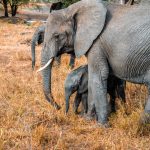
Many first timers ask whether they can see gorillas and classic safari wildlife in the same trip. Yes. In 10 days you can watch chimpanzees, elephants and mountain gorillas without feeling rushed. Kibale chimpanzee trekking is the usual primate warm-up before the gorilla hike.
The pace is busy but works if the operator sequences the longer drives early in the day. Before choosing this route, compare Uganda and Rwanda safari costs to understand whether the lower Uganda permit offsets the extra road time.
3. Fourteen Days: Two Gorilla Treks and Wider Coverage
A 14-day itinerary can include Murchison Falls, Kibale, Queen Elizabeth, Bwindi, Volcanoes and Kigali, with optional Akagera if flights or extra road time are handled carefully. Add a second gorilla trek only when you truly want to compare forests and gorilla groups. Otherwise use those days for chimpanzees, wildlife drives or slower lodge stays.
With 14 days, you can also pair the gorilla portion with a Kenya safari. Travelers who want open savanna and big cats often add a Masai Mara conservancy such as Ol Kinyei, Olare Motorogi or Mara North after the forest leg. That adds flights, cost and time, but it creates a broader East Africa trip. Read whether a Masai Mara conservancy fee is worth it before budgeting for that extension.
What Wildlife and Activities Can You Add?
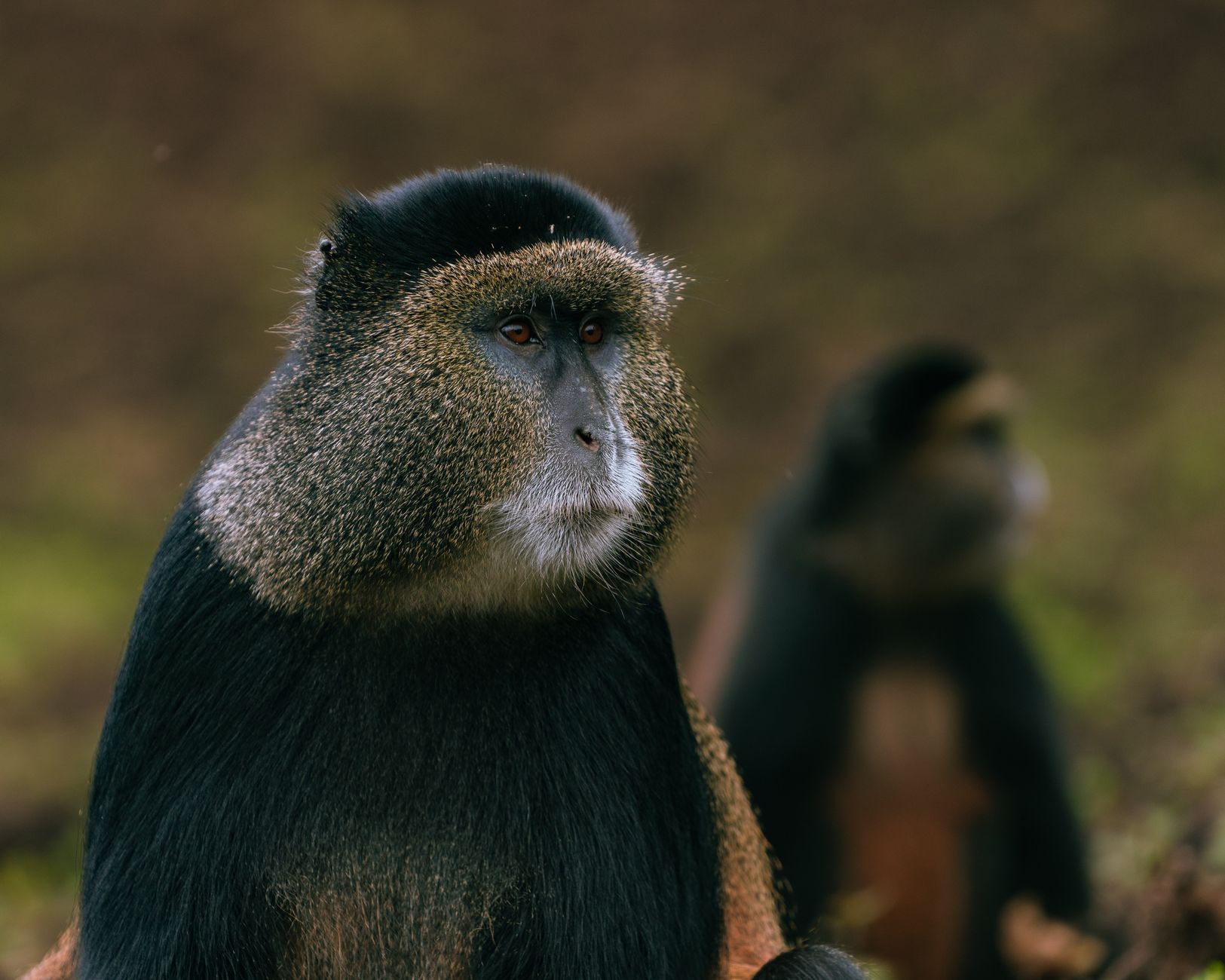
Add chimpanzee trekking in Kibale, game drives and a Kazinga Channel boat trip in Queen Elizabeth, golden monkeys in Volcanoes, and a quiet Lake Bunyonyi stay. Longer itineraries can include Murchison Falls or Akagera, but each addition increases driving or requires a flight. Keep expectations realistic: gorilla tracking is the anchor, not a guaranteed big-five safari.
Volcanoes National Park gorilla trekking is another strong option, especially for travelers who want the steep volcano scenery near Kigali. The gorilla groups are habituated, as they are in Uganda, but the forest is noticeably different. If you plan two treks, one in Bwindi and one in Volcanoes, you will see how much habitat matters.
What Is the Best Time to Follow a Uganda Rwanda Gorilla Itinerary?
The drier periods from June to September and December to February usually make forest trails easier, but gorilla trekking operates year-round and wet months can bring quieter lodges, greener scenery and possible value. Rain can arrive quickly in both forests, so waterproof layers, sturdy boots and flexible expectations matter more than choosing a completely dry date.
The two main rainy seasons fall roughly from March to May and October to November. A route planned in April should leave extra margin for mud. The trade-off can be worthwhile because lodges are easier to book and the forests feel less crowded. If rain worries you, check what actually happens on a wet gorilla trek before setting your dates.
How Do Costs and Permits Shape the Plan?
Budget separately for gorilla permits, chimpanzee permits, accommodation, transport, border administration, visas, tips and flights. Uganda is often cheaper for gorilla permits than Rwanda, while Rwanda can reduce road time from Kigali. Book gorilla permits before finalizing accommodation, then place the route around the assigned trekking sector and realistic transfer times.
Some operators quote permit fees separately, while others bundle them into the package. Always check what a quoted price includes. At current rates, Uganda’s gorilla permit usually costs less than Rwanda’s, but total trip costs depend on lodging class, transfer style and how many parks you add. Plan for porter fees too, since hiring a porter is one of the best investments you can make.
Can You Pair This Trip with a Masai Mara Safari?
Yes, a Kenya extension works well once the gorilla portion is complete. The usual connection runs through Nairobi, then by road or small aircraft to the Masai Mara. Travelers who want a quieter wildlife experience often choose conservancies such as Ol Kinyei, Olare Motorogi or Mara North because they limit visitor numbers.
That extension works best with 14 or more days. It also changes the overall cost because Kenya park and conservancy fees are separate from the gorilla permits. If you want the full East Africa experience, start with the gorilla forests and finish on the savanna. This sequence lets you recover from hiking before spending long hours on game drives.
Compare Safari Operators Before You Book
The right Uganda Rwanda gorilla itinerary depends on your dates, fitness, budget and preferred pace. Once you have chosen a 7-day, 10-day or 14-day route, compare safari operators who hold permits and handle border crossings. Start by browsing packages through Valley Safaris, comparing options at FindMySafari, or ask Trunktrails Safaris for their current route options. Ask what is included in the price, then book only after you understand the route.
More safari planning resources
- Kenya national parks map from SafariPure
- Kenya tour packages from Valley Safaris
- Compare Kenya safari packages on FindMySafari